Neon fiction, hard circuits, soft bodies

Cyberpunk is the city dreaming in electric bruises.

Step into the genre where rain hits chrome, megacorporations turn private life into infrastructure, and rebellion travels through hacked doors, bootleg implants, street fashion, noise, memory and code. This site maps the works and the look: the games, films, anime, books, clothes, sounds and recurring anxieties that keep cyberpunk alive.

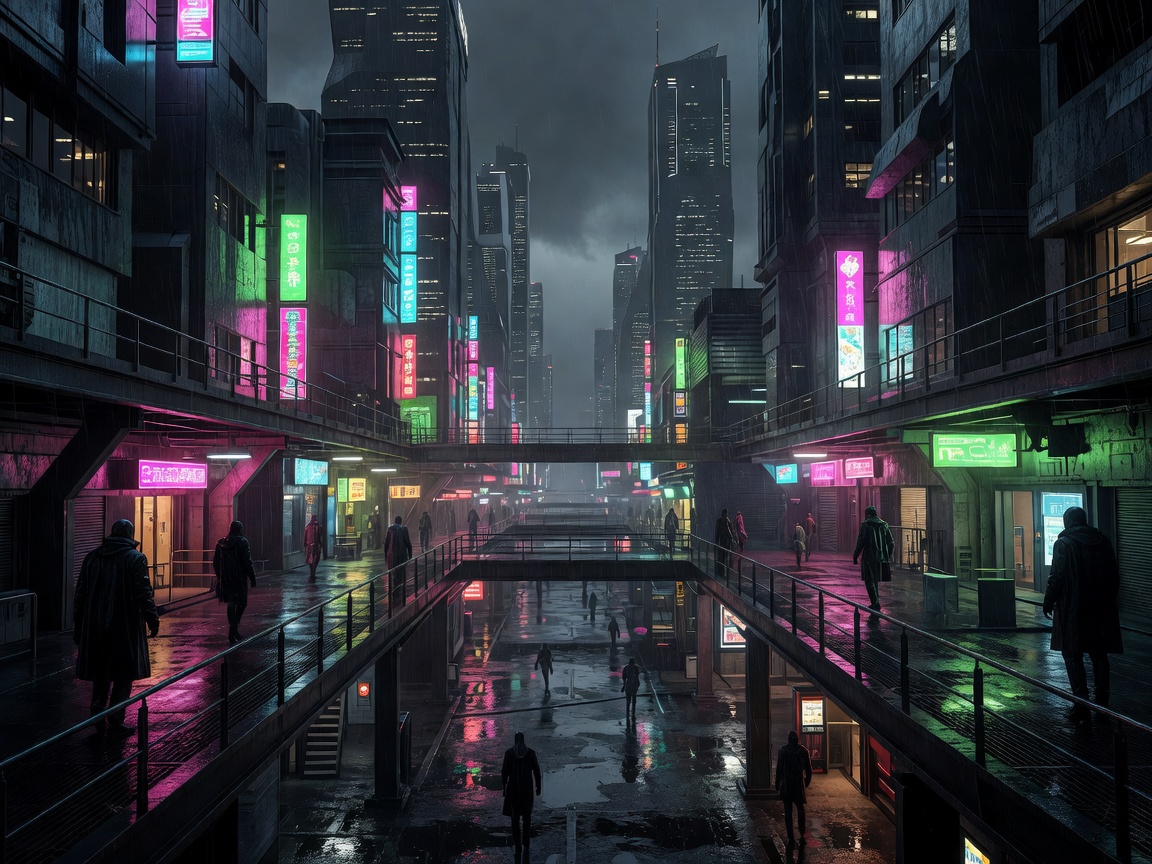
Neon cyberpunk city street with rain, elevated walkways and anonymous silhouettes
A visual grammar of glare, density and unease: the genre often turns the city into a machine with people inside it.

Index

Five routes into the sprawl

Games: agency inside the machine

Games make cyberpunk tactile. They let you choose between stealth, speech, violence, trade-offs and broken systems, while the best ones remember that a glowing upgrade still sits inside a body with limits.

Open games guide

Films and anime: light, motion, dread

Blade Runner, Akira, Ghost in the Shell and their descendants shaped the genre’s night-time silhouette: giant adverts, synthetic bodies, crowded streets, police power, memory and identity under pressure.

Open screen guide

Books: language as circuitry

Cyberpunk fiction built its force through compressed slang, jagged cities, data space and anti-heroes who know technology from below rather than from a clean showroom.

Open books guide

Style: clothes, sound, graphics

The aesthetic is more than neon pasted onto black. It borrows from streetwear, industrial design, punk abrasion, club lighting, tactical layers, retro interfaces and the visual noise of overbuilt cities.

Open style guide

Themes: corporations, AI, surveillance, revolt

The genre’s most durable charge comes from power. Cyberpunk asks what happens when technology grows intimate while accountability recedes behind private systems, security theatre and proprietary code.

Open themes guide

Not just “future”

Cyberpunk is not a prediction machine. It is a pressure chamber. The genre exaggerates familiar forces: corporate capture, surveillance, class division, body modification, networked dependence and cultural resistance.

Not just neon

The glow matters because it tells a story. Neon signage, wet asphalt and screen light all suggest a city selling itself at every angle, even while its alleys and service corridors reveal the cost.

Not just nostalgia

The old console hum, CRT scanline and chunky keyboard are part of the texture, but the useful question is always the same: who controls the system, who is watched by it, and who can bend it?